Why Paint Peels Off Metal: Causes and Solutions
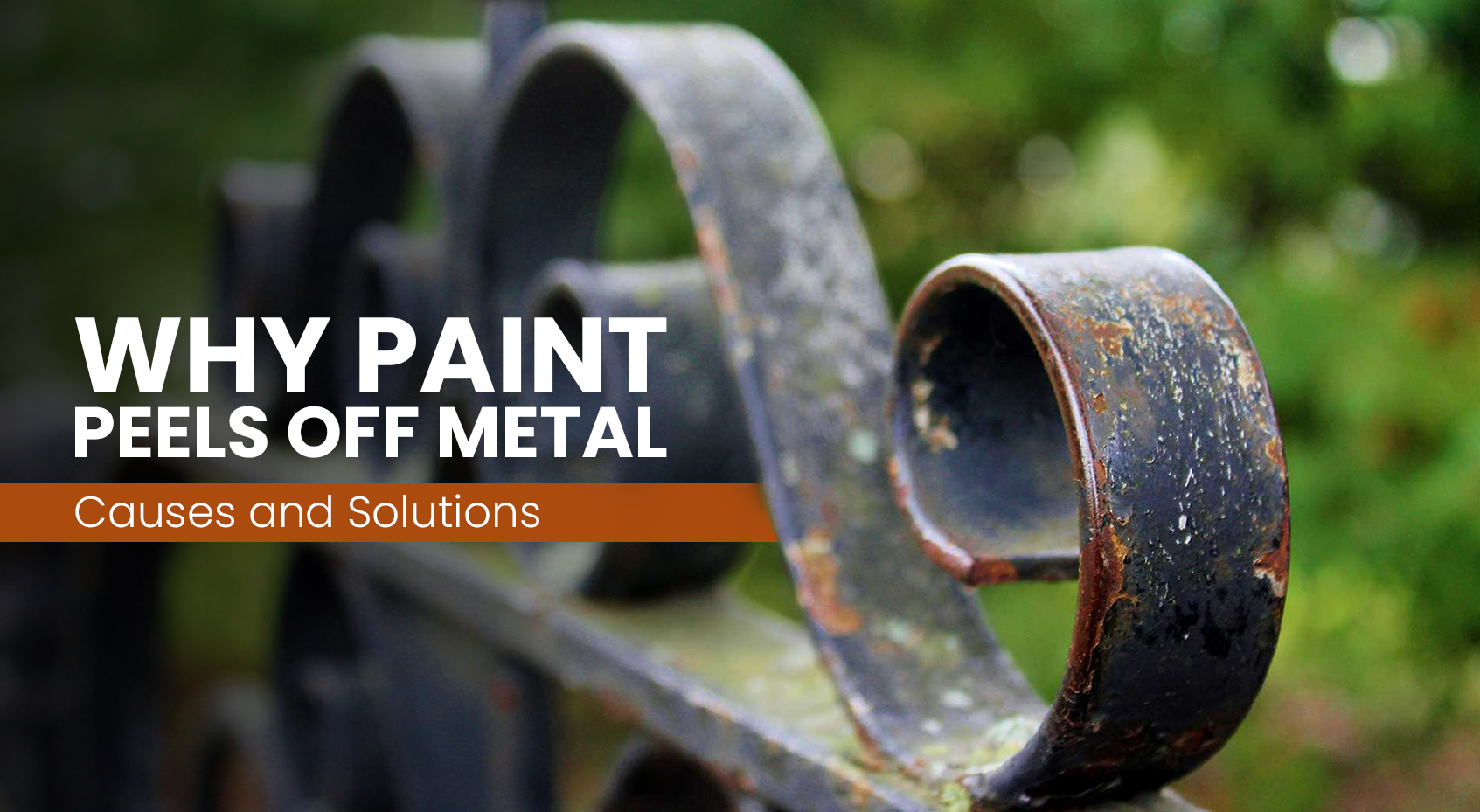
You painted the railing, the gate, the machinery, and now it’s peeling. Sheets of paint lifting off like stickers. Here’s why it happens and how to fix it permanently.
Quick Answer: Why does paint peel off metal?
Paint peels off metal mainly because of rust, poor surface preparation, lack of primer, oil or grease contamination, trapped moisture, or incompatible paint layers. Proper surface preparation, suitable priming, and a compatible topcoat are essential for better paint adhesion and long-lasting protection.
The 5 Reasons Paint Peels Off Metal
1. Painted Over Rust
The most common cause. Rust is loose, powdery, and keeps growing. Paint applied over rust has nothing solid to grip. It peels off, taking the rust with it.
Solution: Remove ALL rust before painting. Wire brush, sandpaper, or power tool. Get to clean, solid metal.
2. No Primer Used
Enamel paint alone doesn’t bond well to bare metal. Primer is the glue between metal and topcoat. Skip it and the topcoat lifts.
Solution: Always apply anti-rust primer on bare metal. One coat minimum. Let it dry fully before topcoat.
3. Surface Was Oily or Greasy
Metal in workshops, kitchens, and industrial settings often has a thin oil film invisible to the eye. Paint won’t bond to oil; it sits on top and peels.
Solution: Degrease with thinner or degreaser before painting. Wipe until the cloth comes back clean.
4. Moisture Was Trapped Underneath
If you paint when the metal is damp (morning dew, just after rain, high humidity), moisture gets trapped under the film. When it heats up, it pushes the paint off as bubbles and flakes.
Solution: Paint only when the surface is completely dry. Avoid early mornings and monsoon days. Wipe the surface and wait 30 minutes.
5. Incompatible Paint Layers
Applying a new paint system over an old one that’s chemically incompatible. For example, a strong 2K system over a weak old paint; the solvents attack the layer underneath, causing wrinkling and peeling.
Solution: If unsure of the old paint type, sand thoroughly to create a key. Or test a small patch first and wait 24 hours.
The Permanent Fix
- Scrape off ALL loose and peeling paint (back to solid surface).
- Sand the edges where old paint meets bare metal (smooth transition).
- Degrease the surface.
- Apply primer to all bare metal spots.
- Let primer dry fully (6–8 hours or overnight).
- Apply 2 coats of enamel topcoat.
This system works on gates, railings, machinery, furniture anything metal.
How to Know If Your Existing Paint Is Okay to Paint Over
Do the “tape test”: press masking tape firmly onto the old paint, then rip it off quickly.
If paint comes with it, that area needs stripping.
If the tape comes off clean, you can paint over it after sanding the surface to create a suitable key.
Frequently Asked Questions About Paint Peeling on Metal
Why does paint peel off metal?
Paint can peel off metal because of rust, poor surface preparation, lack of primer, oil or grease contamination, moisture, or incompatible paint layers.
How do you stop paint from peeling off metal?
Remove loose paint and rust, clean and degrease the surface, apply a suitable primer to bare metal, and use a compatible enamel or topcoat system.
Do you need primer before painting metal?
A suitable metal primer is recommended on bare metal because it helps improve adhesion and provides protection against corrosion.
Can you paint over old paint on metal?
Yes, if the existing coating is sound and properly adhered. Sand the surface to create a suitable key and test adhesion before repainting.
How can you test whether old paint is suitable for repainting?
A simple tape test can help identify poorly adhered paint. If the existing paint comes off with the tape, that area should be stripped before repainting.
For primer and enamel systems that work on metal, visit realpaints.in.