How to Choose Industrial Paint for Heavy Structural Steel?
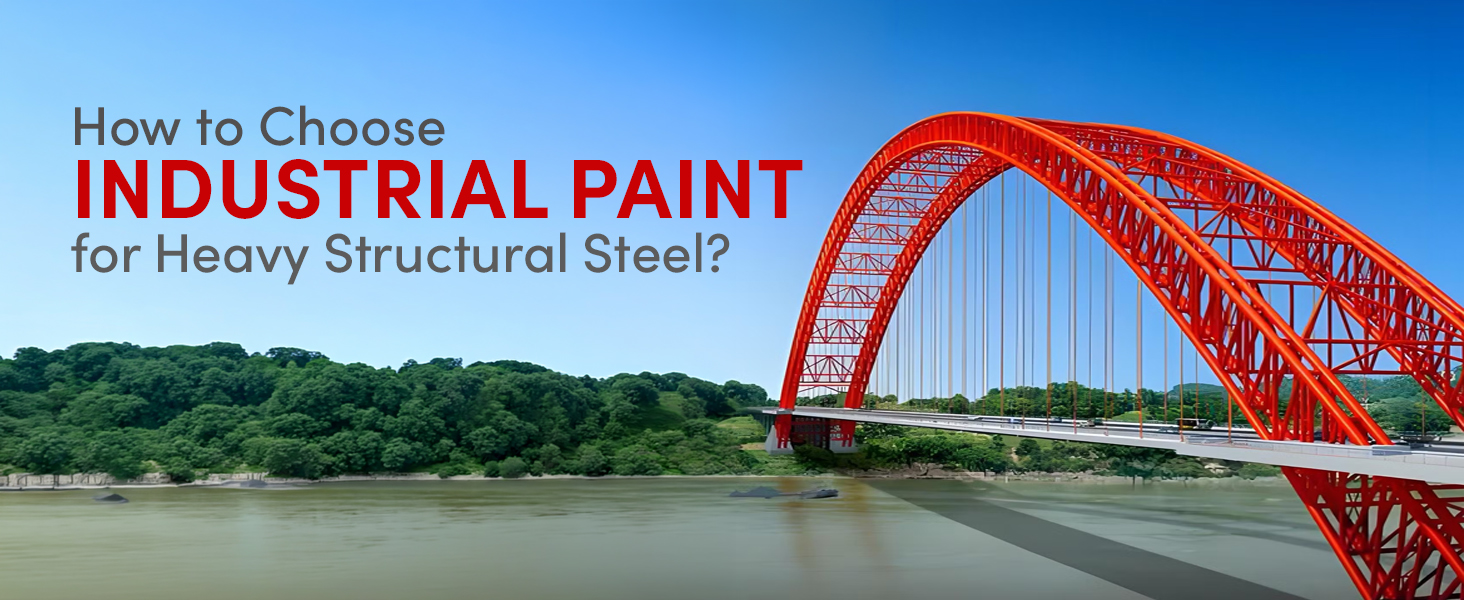
Heavy structural steel is used in factories, warehouses, manufacturing plants, power plants, bridges, and other industrial structures. While steel is strong and durable, moisture, humidity, chemicals, dust, and changing weather can cause corrosion over time.
This is why choosing the right industrial paint for heavy structural steel is important. A suitable paint system can help protect the steel surface, improve durability, and reduce maintenance requirements.
But how do you choose the right paint?
The answer depends on the environment, corrosion risk, surface preparation, primer, topcoat, and required durability.
What Is the Best Industrial Paint for Heavy Structural Steel?
There is no single paint that works best for every steel structure. The right choice depends on where the steel is being used and what conditions it will face.
A typical protective paint system may include:
Surface Preparation → Primer → Intermediate Coat → Topcoat
Epoxy-based industrial paints are commonly used for demanding applications because they can provide good adhesion, barrier protection, and resistance to moisture and chemicals. Zinc-rich primers may also be used where additional corrosion protection is required.
The complete paint system should always be selected according to the application and project requirements.
5 Things to Consider When Choosing Industrial Paint
1. Understand the Environment
The first step is to understand where the steel structure will be installed.
Is it:
- Indoors or outdoors?
- Near the coast?
- Exposed to rain and sunlight?
- Inside a chemical or manufacturing plant?
- Operating in a humid environment?
For example, steel inside a dry warehouse may need a different protection system than steel exposed to coastal humidity or industrial chemicals.
ISO 12944 is an important international reference for understanding corrosive environments and selecting protective paint systems for steel structures.
2. Consider the Corrosion Risk
Different environments create different levels of corrosion risk.
Outdoor and industrial steel structures may face moisture, pollutants, chemicals, and temperature changes. Coastal structures can face additional corrosion due to salt-laden air.
The paint system should therefore be selected according to the expected exposure rather than simply choosing the most expensive or thickest paint.
The objective is to achieve the right level of protection for the actual environment.
3. Choose the Right Primer
Primer forms the foundation of a structural steel paint system.
It helps improve adhesion and provides the first layer of protection against corrosion.
Two commonly considered technologies include:
Epoxy Primer:
Provides good adhesion and barrier protection and is widely used in industrial applications.
Zinc-Rich Primer:
Can provide additional corrosion protection through zinc’s sacrificial action when used as part of a suitable system.
The right primer depends on the environment, steel surface, and complete coating system.
4. Consider Epoxy Paint
Epoxy paint for structural steel is commonly used when durability, adhesion, moisture resistance, and chemical resistance are important.
A suitable epoxy system can provide:
- Good adhesion
- Strong barrier protection
- Moisture resistance
- Chemical resistance
- Mechanical durability
However, epoxy is not always the ideal final exposed surface for outdoor steel because prolonged UV exposure can affect its appearance.
For exterior applications, a suitable weather-resistant topcoat may be applied over the epoxy layer.
5. Don’t Ignore Surface Preparation
Even a high-quality industrial paint may not perform properly if the steel surface is not prepared correctly.
Before painting, the surface may need to be cleaned of:
- Rust
- Oil and grease
- Dust
- Dirt
- Mill scale
- Salts
- Loose old paint
Depending on the project, mechanical cleaning or abrasive blasting may be required.
Good surface preparation improves paint adhesion and helps the protective system perform as expected.
Good paint cannot compensate for poor surface preparation.
What Is DFT in Industrial Painting?
DFT stands for Dry Film Thickness. It refers to the thickness of the paint film after it has dried.
The required DFT may be specified separately for the primer, intermediate coat, and topcoat.
Correct DFT is important because too little paint may provide insufficient protection.
However, thicker is not always better. Excessive paint thickness can also create curing or application problems depending on the paint system.
Therefore, DFT should be controlled according to the product’s technical data sheet and project requirements.
A Simple Structural Steel Paint System
A typical system can be understood in four steps:
- Surface Preparation
Clean and prepare the steel surface properly. - Primer
Apply a suitable anti-corrosive primer. - Intermediate Coat
Add an intermediate layer when additional protection or film thickness is required. - Topcoat
Apply a suitable finish for weather, UV, chemical, or appearance requirements.
The exact number of coats depends on the environment and specified paint system.
Common Mistakes to Avoid
- Choosing Paint Only by Price
A cheaper system may require more frequent maintenance and repainting.
- Using the Same Paint Everywhere
Indoor, outdoor, coastal, and chemical environments have different requirements.
- Skipping Surface Preparation
Rust, oil, dust, and mill scale can affect adhesion and lead to premature paint failure.
- Assuming More Thickness Means Better Protection
The correct DFT should be followed rather than simply applying more paint.
- Ignoring Application Conditions
Temperature, humidity, curing time, and recoat intervals can affect the final performance of the paint.
Industrial Paint for Structural Steel by Real Paints
At Real Paints (Drona Industries), industrial paint solutions are developed with the requirements of different applications in mind.
For heavy structural steel, the right paint system should be selected after considering the environment, corrosion exposure, surface condition, required durability, and application process.
A properly selected and applied industrial paint system can help protect steel from corrosion and support better long-term maintenance.
For project-specific requirements, always refer to the relevant technical data sheet and recommended application procedure.
Frequently Asked Questions
Which paint is best for heavy structural steel?
There is no single best paint for every application. The choice depends on the environment, corrosion risk, surface preparation, and required durability. Epoxy systems, zinc-rich primers, and suitable topcoats may be used depending on the project.
Is epoxy paint good for structural steel?
Yes. Epoxy paint can provide good adhesion, barrier protection, moisture resistance, and chemical resistance. For outdoor applications, a suitable weather-resistant topcoat may also be required.
Why is primer important for steel?
Primer provides the foundation of the paint system. It helps improve adhesion and provides initial corrosion protection.
What is DFT?
DFT means Dry Film Thickness. It is the thickness of the paint film after drying and is an important part of industrial paint quality control.
Why is surface preparation important?
Proper surface preparation removes contaminants and helps the paint bond correctly with the steel. Poor preparation can result in peeling, blistering, and premature corrosion.
Conclusion
Choosing industrial paint for heavy structural steel is not just about selecting a strong or expensive product.
The right choice starts with understanding the environment and corrosion risk, followed by proper surface preparation, primer selection, DFT control, and the right topcoat.
When the complete paint system is selected and applied correctly, it can provide better corrosion protection, improve durability, and reduce long-term maintenance requirements.
For structural steel, the best paint system is ultimately the one that is suited to the environment, properly applied, and selected according to the project’s technical requirements.