How to Protect Steel from Rust – Primer & Coating Guide
Steel is one of the most widely used materials in construction, infrastructure, manufacturing, and fabrication. However, without proper protection, exposure to moisture, oxygen, and environmental pollutants can quickly lead to corrosion. Using the right combination of surface preparation, primer, and topcoat is essential to extend the life of steel structures, reduce maintenance costs, and improve long-term durability.
Whether you’re painting industrial machinery, structural steel, gates, railings, or fabrication components, choosing the correct coating system makes all the difference. This guide explains how to protect steel from rust using the right primer and coating system.
Why Steel Rusts
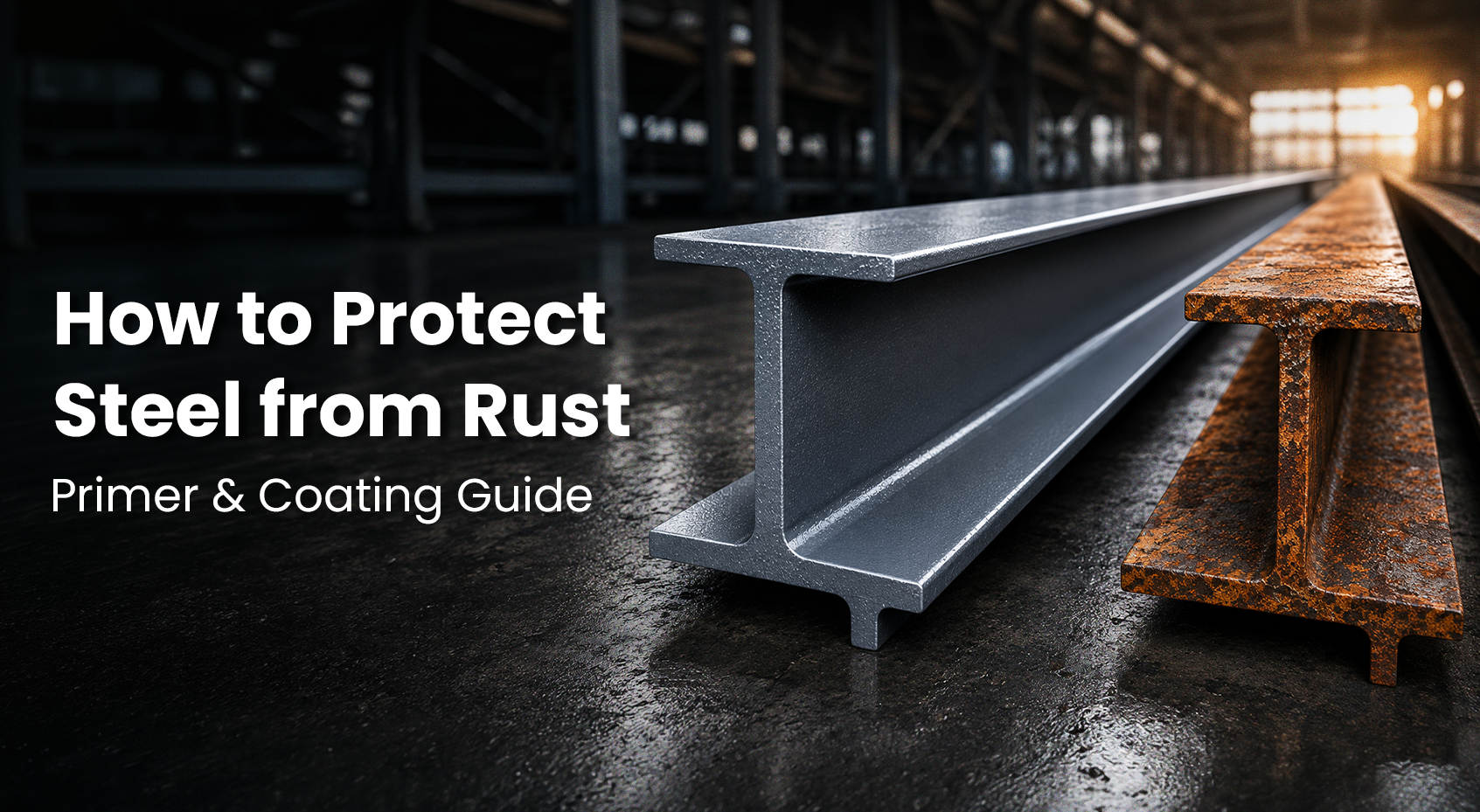
Steel rusts. It’s not a question of if; it’s when. The only variable is how long your coating system holds it off.
Steel reacts with oxygen and moisture to form iron oxide (rust). In India, the monsoon accelerates this dramatically; 4+ months of 70–95% humidity mean bare steel can start rusting within days.
Add salt air in coastal regions, chemicals in industrial environments, or pollution in urban areas, and corrosion develops even faster.
The Three Layers of Protection
Think of rust protection as a complete coating system, not just a single product.
Layer 1: Surface Preparation
Surface preparation is the foundation of every successful coating system. Even the highest-quality primer cannot perform effectively if applied over rust, grease, oil, or loose mill scale.
Proper preparation improves adhesion and significantly increases coating life.
Recommended methods:
- Wire brushing or power tools for light rust and maintenance work
- Sandblasting for heavily rusted steel or new fabrication
- Degreasing to remove oil, grease, and contaminants
- Cleaning the surface thoroughly before primer application
Layer 2: Primer (The Critical Layer)
The primer is the most important layer for corrosion protection. It contains anti-corrosive pigments such as red oxide or zinc phosphate that create a protective barrier between steel and the environment.
Best practices:
- Apply primer immediately after surface preparation
- Use one to two coats at the recommended thickness
- Allow complete drying before applying the topcoat
Layer 3: Topcoat (The Protective Shield)
The topcoat protects the primer against sunlight, rain, chemicals, abrasion, and weathering while providing the desired finish and colour.
Common options include:
- Synthetic Enamel – Suitable for general-purpose steel protection
- Polyurethane (PU) – Excellent durability and UV resistance
- Epoxy Coating – Ideal for industrial and chemical environments
Which Primer for Which Situation?
Red Oxide Primer
A trusted solution for general steel protection with excellent rust inhibition.
Recommended for:
- Gates
- Railings
- Fabrication
- Structural steel
- Equipment frames
Zinc-Rich Primer
Provides superior anti-corrosion protection through cathodic protection.
Recommended for:
- Marine structures
- Coastal installations
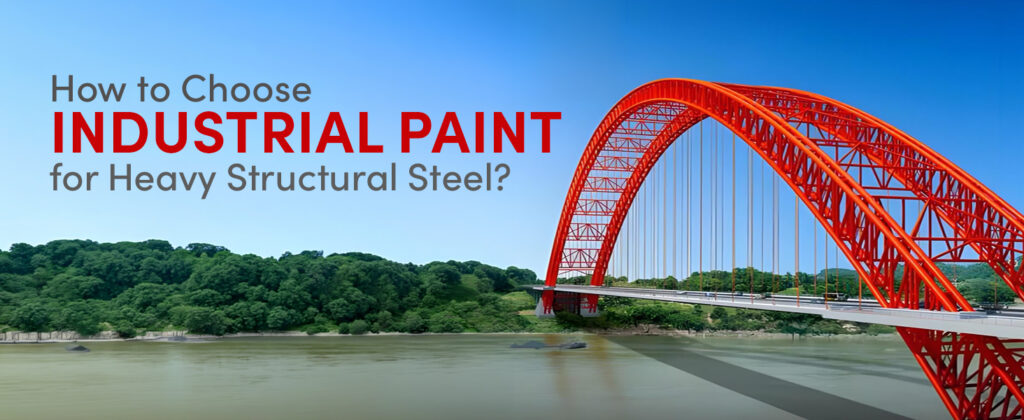
- Bridges
- Offshore applications
- Highly corrosive environments
Epoxy Primer
Offers outstanding adhesion, moisture resistance, and chemical resistance.
Recommended for:
- Industrial machinery
- Chemical plants
- Manufacturing facilities
- Heavy-duty steel structures
2-in-1 Primer
Combines primer and anti-rust protection in a single coating for convenience.
Recommended for:
- Home maintenance
- Small fabrication projects
- Quick repair work
Primer Selection Guide
| Application | Recommended Primer | Recommended Topcoat |
|---|---|---|
| Home Gates & Railings | Red Oxide Primer | Synthetic Enamel |
| Structural Steel | Red Oxide Primer | Industrial Enamel |
| Industrial Equipment | Epoxy Primer | Epoxy / PU |
| Marine & Coastal Structures | Zinc-Rich Primer | Epoxy + PU |
| Fabrication Components | Red Oxide Primer | Synthetic Enamel |
Common Mistakes
1. Painting Over Rust
Rust continues to grow beneath the paint and eventually causes coating failure. Always remove loose rust before painting.
2. Skipping Primer
A topcoat provides appearance and weather resistance, but the primer provides corrosion protection.
3. Applying Thin Coats
One light coat of primer is rarely sufficient. Apply the recommended number of coats and thickness for long-lasting protection.
4. Delaying Primer Application
Freshly cleaned steel can begin flash rusting within hours, especially in humid conditions. Apply primer as soon as possible.
5. Using Interior Primer Outdoors
Interior and exterior environments require different coating systems. Always choose a primer suitable for the intended exposure conditions.
Expert Tip
The biggest reason coating systems fail is not poor paint quality it’s inadequate surface preparation. Even premium primers cannot protect steel effectively if they are applied over rust, grease, moisture, or loose contaminants. Proper cleaning followed by timely primer application is the key to long-lasting corrosion protection.
Maintenance Is Cheaper Than Replacement
Replacing a structural steel column can cost anywhere between ₹1.5–3 lakhs, while properly cleaning, priming, and painting it typically costs ₹8,000–15,000.
Preventive maintenance is significantly more economical than replacement.
A smart maintenance schedule includes:
- Annual inspections
- Immediate touch-up of damaged areas
- Repainting every 5–7 years, depending on exposure conditions
- Never waiting until rust has severely damaged the steel
Frequently Asked Questions
Can I paint directly over rust?
No. Rust continues spreading underneath the paint and eventually causes coating failure. Always remove loose rust and apply a suitable anti-corrosion primer before painting.
Which primer is best for protecting steel from rust?
Red oxide primer is suitable for most general steel applications, while epoxy and zinc-rich primers are preferred for industrial, chemical, and marine environments requiring higher corrosion resistance.
How many coats of primer should be applied?
Most steel applications require one to two coats of primer followed by two coats of a compatible topcoat. Always follow the manufacturer’s recommended application guidelines.
How often should steel structures be repainted?
Steel structures should be inspected annually. Depending on environmental conditions and the coating system, repainting is generally recommended every 5–7 years.
Final Thoughts
Protecting steel from rust isn’t about applying a single coat of paint; it’s about using the right coating system. Proper surface preparation, a high-quality primer, and a durable topcoat work together to provide long-term corrosion protection, extend the life of steel structures, and reduce maintenance costs.
Selecting the appropriate primer and coating system based on the operating environment ensures better performance, lower lifecycle costs, and reliable protection for years to come.
About Real Paints
For over 20 years, Real Paints (Drona Industries) has been manufacturing high-performance industrial primers and protective coating systems for diverse steel applications. Our range includes Red Oxide Primers, Epoxy Primers, Synthetic Enamels, PU Coatings, Industrial Finishes, and specialized protective coatings designed to deliver reliable corrosion resistance in Indian operating conditions.
Whether you’re protecting fabrication projects, industrial machinery, structural steel, or infrastructure, choosing the right coating system starts with the right expertise.
Need help selecting the right primer?
Email: info@realpaints.in
Website: www.realpaints.in