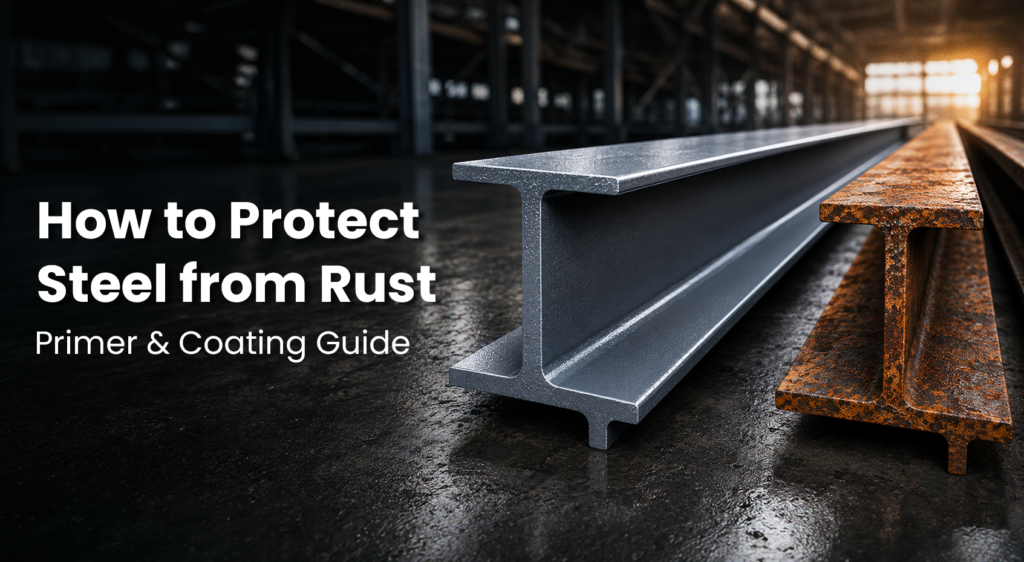
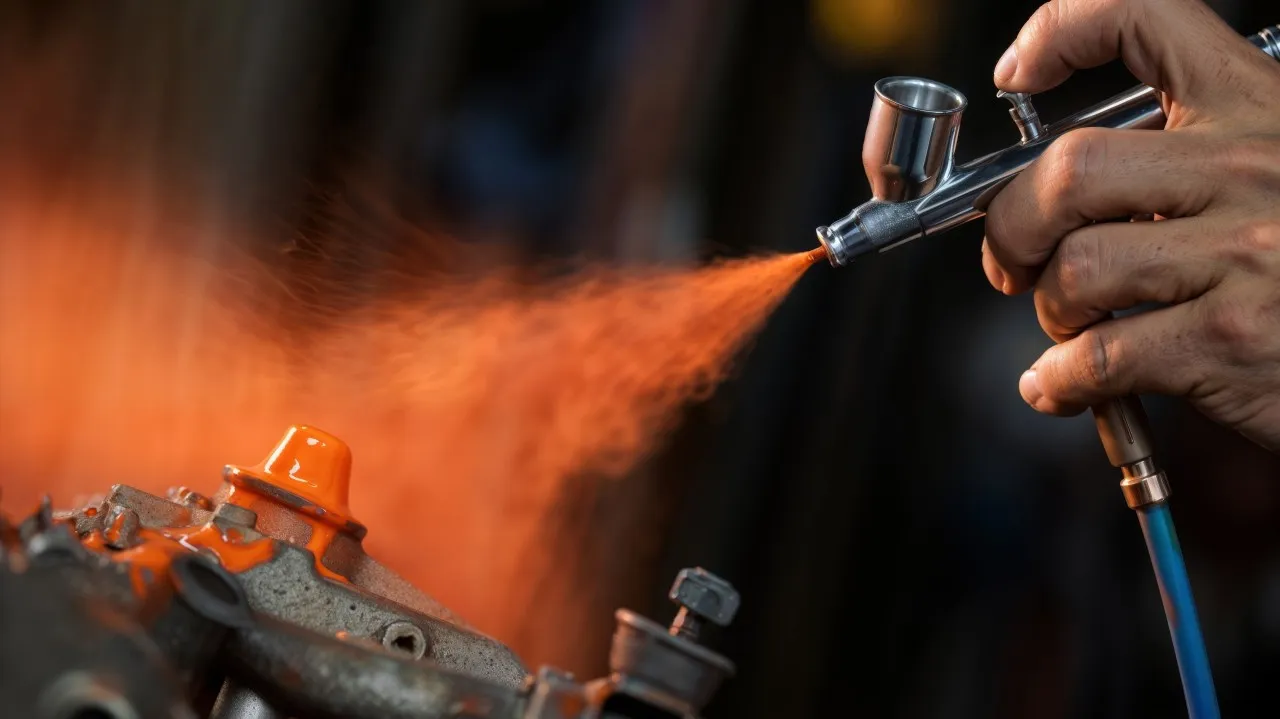
In industrial and commercial applications, coating selection is often treated as a product choice. But in real-world conditions, it rarely works that way. In our experience, coatings don’t fail randomly; they fail when they are not aligned with the environment they operate in. When that happens, the outcome is predictable: premature coating failure, rising maintenance costs, and reduced lifecycle performance.
Why Environment Matters More Than We Think
Every surface operates under a different set of conditions:
- Moisture and humidity
- Temperature fluctuations
- UV exposure
- Chemical contact
- Mechanical wear
A coating that performs well in one environment may not last in another. This is where most coating decisions begin to go wrong.
Matching Coatings to Real Industrial Conditions
- High Moisture & Humidity
In environments such as processing units or coastal areas, constant exposure to moisture accelerates corrosion. This typically requires strong adhesion and reliable corrosion protection.
- Outdoor Exposure (Sun + Rain)
Continuous exposure to sunlight and weather gradually breaks down coatings. In such cases, the focus shifts to UV resistance and long-term weather stability.
- Industrial & Chemical Environments
Factories and heavy industries expose surfaces to chemicals, fumes, and pollutants. Here, coatings need chemical resistance and long-term durability under stress.
- High Wear & Impact Zones
Machinery, vehicles, and fabricated structures are subject to constant friction and impact. This is where high abrasion resistance and robust coating systems become critical.
The System Is Where Performance Is Built
One of the most common misconceptions is treating coatings as a single product. In reality, performance depends on a complete coating system:
- Surface preparation
- Primer selection
- Coating layers
- Application quality
If one step is compromised, the entire system is affected. This is where most coating failures actually begin.
Where Most Decisions Go Wrong
A common mistake we see is selecting coatings based only on initial cost or appearance, without considering the environment they’ll face. It may seem economical at first, but over time it leads to:
- Frequent repainting
- Higher maintenance costs
- Operational downtime
And in most cases, the long-term cost far outweighs the initial savings.
Final Thought
Coatings don’t fail because they are poor products. They fail because they are applied in the wrong conditions or without the right system in place. A durable coating is:
- Matched to its environment
- Applied with the right process
- Designed for real-world stress
At Drona Industries, the focus goes beyond supplying coatings. It’s about understanding where and how they will perform. Because in the end, performance isn’t defined in theory; it shows on the surface.